
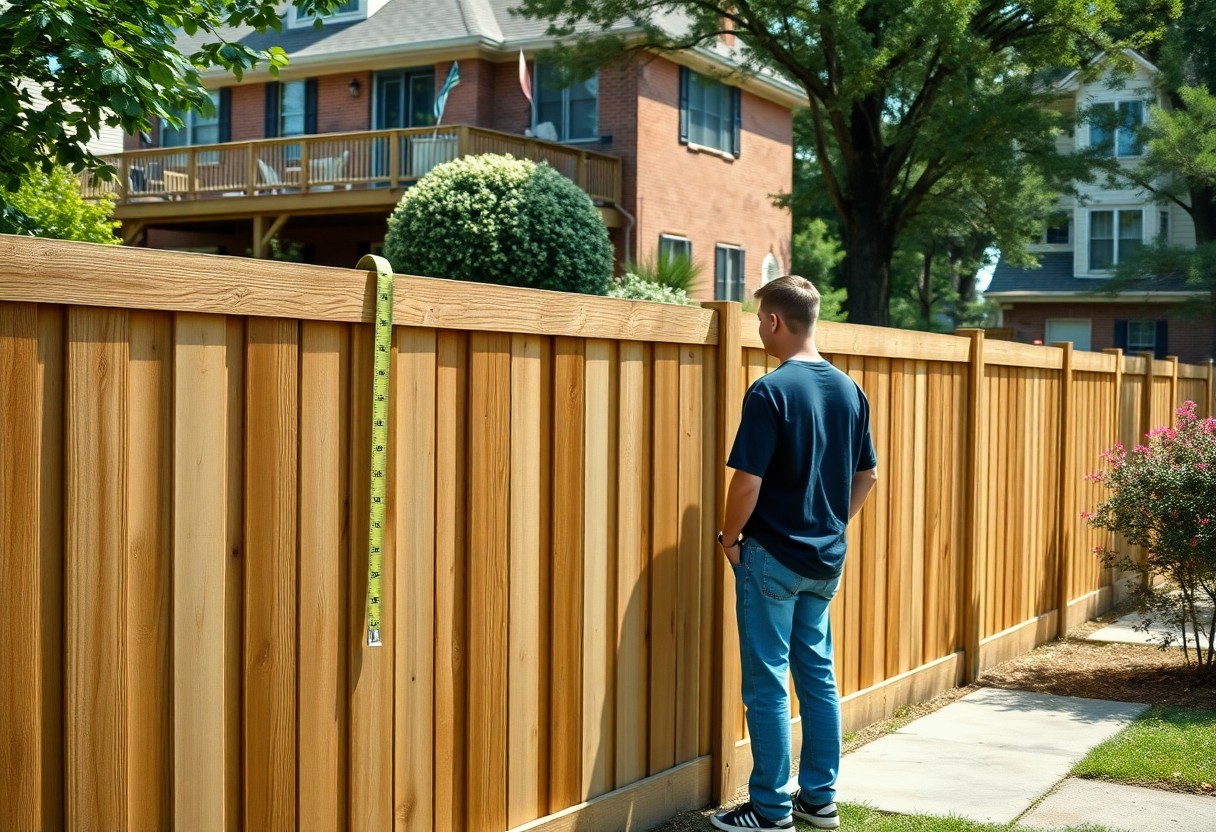
With a 6-foot wood fence, you gain substantial visual privacy from neighbors but you must confirm Charlotte city setbacks and HOA rules; the fence can still be climbed or deteriorate without upkeep, and sightlines from elevated homes or streets may remain.
Key Takeaways:
- A 6-foot wood fence provides substantial visual privacy at standing eye level for most Charlotte residential lots, blocking direct sightlines from neighboring yards and ground-level street views.
- Charlotte zoning and neighborhood HOA rules determine whether 6-foot fences are allowed; many areas permit 6 feet in rear yards but restrict front-yard heights or require permits, setbacks, or design standards.
- A 6-foot wood fence offers modest noise reduction and does not block views from second-story windows or sloped lots; gate placement, board gaps, and maintenance affect actual privacy and security.
Visual Privacy and Line-of-Sight Dynamics
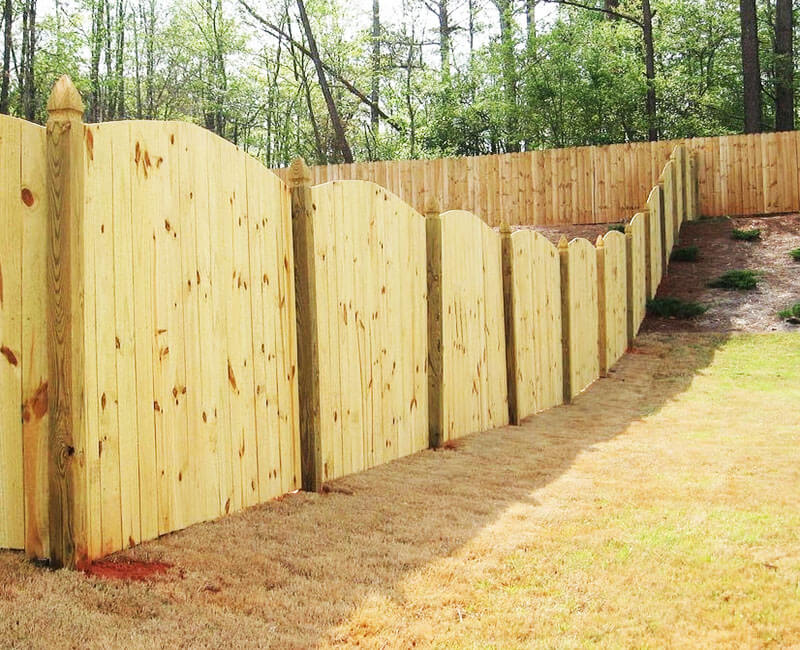
Charlotte yards get substantial visual screening from a 6-foot wood fence, but you should note that line-of-sight depends on grade, fence gaps, and neighbor elevation, affecting how much privacy you actually achieve.
Effectiveness against ground-level neighboring views
You will find a 6-foot wood fence typically blocks most ground-level views when installed on level ground, giving you clear day-to-day privacy from adjacent yards and sidewalks while small gaps or staggered boards can reduce effectiveness.
Limitations regarding second-story window perspectives
Upper-level windows often see over a 6-foot fence, so you may still be visible from second stories; fence height alone won’t stop those sightlines, especially on sloped lots or raised decks.
If you live on a slope, second-story sightlines increase; you should consider taller plantings, lattice extensions, or building codes-compliant height increases, and pairing those with deck privacy panels to effectively reduce overhead views into your yard.
Impact of Charlotte’s Topography on Fence Efficacy
Topography in Charlotte shifts viewlines; you’ll find a 6-foot fence blocks at grade but steep slopes or raised yards can create sightline breaches and lower privacy.
Managing privacy on sloped or graded North Carolina lots
Slopes force you to choose stepped panels or a raised base; you should combine retaining walls or staggered posts to close gaps and maintain privacy from uphill neighbors.
Strategic placement for maximum coverage on uneven terrain
Placement matters-you must site panels, gates, and posts where uneven ground creates openings; align the fence run to block major view corridors and follow local codes.
Positioning starts with mapping your property’s high points and likely sightlines so you can place taller sections where neighbors overlook you; use stepped or raked panels to match grade, leave no gaps at the base, set posts on the downhill side when possible to keep the topline continuous, and confirm setbacks and permits so your 6-foot solution isn’t undone by code or neighbor disputes.
Optimal Wood Fence Styles for Total Seclusion
Choosing the right wood style determines privacy; you’ll get total seclusion with solid profiles like board-on-board or shadowbox with staggered boards. You should prefer tight joints and taller posts in Charlotte to block sightlines and reduce sound transfer.
Board-on-board versus side-by-side construction
Board-on-board construction gives you near-complete privacy by overlapping planks, while side-by-side offers simpler installation but leaves more sightlines; choose board-on-board if you want fewer gaps and better noise buffering.
Minimizing gaps caused by natural wood shrinkage
Plan for wood shrinkage by installing boards with slight overlap, using pressure-treated or kiln-dried lumber, and sealing with stain; these steps help you maintain continuous privacy as boards settle.
You will limit seasonal gaps by buying kiln-dried lumber at equilibrium moisture, letting boards acclimate before installation, and applying stain to seal all faces and ends. Fasten with exterior-grade screws, allow 2-3 inches ground clearance, prefer overlapping or tongue-and-groove profiles, and inspect yearly to avoid visible gaps that reduce privacy and security.
Noise Reduction and Psychological Privacy
A 6-foot wood fence can reduce nearby high-frequency noise, giving you more quiet and psychological privacy but won’t soundproof against heavy traffic or low-frequency bass.
Dampening suburban ambient sound in high-density areas
You will notice that a solid, well-sealed fence can cut direct noise from adjacent yards and pedestrian traffic, improving outdoor comfort in denser Charlotte neighborhoods.
Establishing defined boundaries in shared spaces
Solid fencing gives you a clear visual barrier that enhances psychological privacy, discouraging casual intrusion while signaling ownership in shared yards.
Local setback rules and HOA restrictions in Charlotte mean you should verify placement and materials; ignoring rules can trigger fines or removal orders, while a properly permitted fence strengthens your claim and reduces boundary disputes.
Climate Considerations for Fence Longevity
Charlotte’s humid summers and wet winters accelerate wood decay, so you should plan for increased rot and insect pressure by choosing rot-resistant species and protective finishes to maintain privacy and structure.
Protecting wood against North Carolina humidity and pests
You should use pressure-treated lumber or naturally resistant species, apply penetrating sealers, and schedule recoat every 2-3 years to reduce risk from mold, mildew, and termites.
Maintenance routines to prevent warping and sagging
Regularly inspect posts, rails, and fasteners, tighten loose hardware, and replace compromised boards promptly to avoid warping and sagging; check footings after heavy rains.
Inspect posts annually for plumb and rot, dig out and reset any that lean, and set new posts on compacted gravel with concrete poured to slope away from the wood. Use stainless or hot-dipped galvanized fasteners, replace corroded hardware to prevent structural failure, trim vegetation away from boards, and reapply a penetrating sealer every 2-3 years to extend fence life by decades.
Final Words
A 6-foot wood fence in Charlotte, NC gives most homeowners strong everyday privacy by blocking ground-level views from neighboring yards and many street sightlines, especially when it’s built with tight boards, sturdy posts, and properly set gates. The main limits are elevation and layout: second-story windows, raised decks, and sloped lots can still see over a 6-foot fence, so the best results often come from smart placement, gap-free construction like board-on-board, and sometimes adding landscaping to reduce overhead sightlines. To keep that privacy long-term in Charlotte’s humidity, plan on sealing, checking posts after heavy rains, and fixing shrinkage gaps before they turn into visible openings. And because setbacks and HOA rules can affect height and placement, it’s worth verifying requirements before you build.
If you want a fence designed for real privacy on your specific lot, Elite Fence North Carolina is a fence contractor in Charlotte, NC that can recommend the right 6-foot wood fence style for your neighborhood, handle the layout correctly, and install it for long-term durability.