
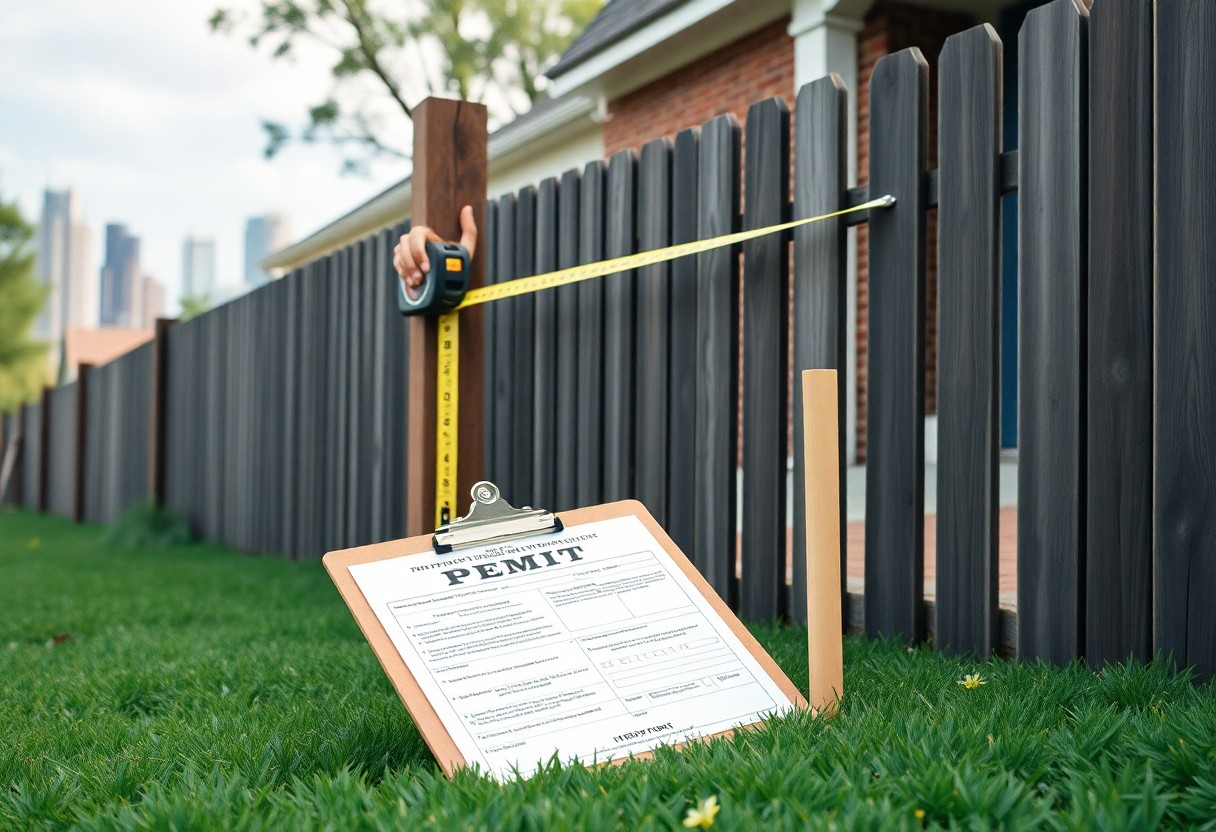
Charlotte requires you to check zoning, setback, and HOA rules before building a wood fence; permits often apply for heights over six feet. Failure to obtain a permit can result in fines or removal, while approved permits protect value and legal compliance.
Key Takeaways:
- Check City of Charlotte zoning and building-permit rules to determine if a wood fence requires a permit based on height, placement (front yard vs. side/rear), or corner-lot conditions.
- Confirm property lines, setback requirements, and public easements; call 811 before digging to locate underground utilities.
- Review homeowner association covenants and historic-district restrictions for design and material limits, and obtain written neighbor agreement for shared-boundary fences when appropriate.
Charlotte Zoning and Unified Development Ordinance (UDO)
You must review Charlotte’s Unified Development Ordinance (UDO) for fence rules-it outlines setbacks, zoning-specific limits, and permit triggers for residential fences; permits and variances can be required, especially in historic districts or when altering grade.
Height restrictions for residential front and rear yards
Check front-yard fences often cap at about 3-4 feet while rear-yard fences may be taller; zoning district differences matter, and exceeding allowed height can lead to denied permits or mandatory removal.
Approved materials and structural standards
Expect the UDO to list permitted materials, finishes, and basic structural criteria, with prohibited materials and engineering requirements applying to taller or load-bearing fences.
Inspect material specs closely: pressure-treated lumber, cedar, and metal are commonly acceptable, while untreated wood, certain chain-link in front yards, or non‑engineered panels can be restricted; you may need engineered plans and specific post depths to pass inspection.
Determining if Your Fence Requires a Zoning Permit
Check Charlotte zoning maps and your HOA rules before building, because failing to obtain required permits can lead to fines or forced removal; you may avoid permits for low-height or nonstructural projects.
Height thresholds for mandatory permitting
Most Charlotte ordinances require a permit for fences taller than 6 feet in the rear or 4 feet in the front; you should measure existing grade to determine the effective fence height before applying.
Exceptions for minor repairs and standard replacements
Minor repairs and like-for-like replacements often don’t need a permit, but you must confirm that you keep the same footprint and materials; otherwise permit rules apply.
When you only replace decayed pickets, stain, or reinstall existing boards in the same location, you usually won’t need a permit; adding posts, increasing height, or moving the line requires a permit, and you should still check HOA rules and any utility easements before work.
Navigating Homeowners Association (HOA) Requirements
HOAs often impose fence rules that can be stricter than city law; you should review covenants before building. Noncompliance can mean fines or forced removal, so confirm height, materials, setback rules, and whether ARC approval or a permit is required.
Priority of HOA bylaws over city ordinances
Bylaws often take precedence within your community, meaning you must follow HOA rules even if city code allows otherwise. Check conflict clauses and consult HOA counsel if a city permit seems at odds with covenants.
The architectural review committee approval process
Architectural review committees (ARC) require you to submit plans, materials, and sometimes photos; approval is often required before work starts. Expect timelines, possible revisions, and a formal decision-track deadlines to avoid penalties or stop-work orders.
Before you submit to the ARC, assemble detailed plans showing fence location, height, materials, and neighbor lines, include photos and a city permit application if available. You should expect a specific review period, possible modest fees, and requests for revisions; denials commonly cite height, visibility, or material conflicts. If denied, follow appeal steps or revise plans promptly-unapproved work risks fines or removal.
Property Lines and Setback Regulations
Setbacks and property lines determine whether you need a permit and how far from the lot line you must build; building over the line risks fines and removal.
Identifying boundary lines and legal surveys
Confirm property corners with a licensed survey or recorded plat before you erect a fence, since assumed lines can spark neighbor disputes and legal costs.
Managing utility easements and public right-of-ways
Check for utility easements and public right-of-way markers on your lot; you cannot legally place permanent fence structures over most easements.
Contact Charlotte zoning and affected utility companies to request easement maps and written consent; get permission in writing if a temporary or removable fence is allowed. Call 811 so your underground lines are located before you dig, because blocking access risks service disruption, fines, and forced removal at your expense.
Safety Codes and Visibility Standards
Charlotte enforces sight and height rules so you must keep fences from blocking public visibility; violations can lead to fines or required removal and create safety hazards for drivers and pedestrians.
Sight triangle regulations for corner lots
Corners require an unobstructed sight triangle so you must avoid fences, plantings, or structures that could obstruct drivers’ views; check exact dimensions and height limits with Charlotte zoning before building.
Specific requirements for pool enclosure fencing
Pools demand fences that meet safety standards so you must install barriers at the required height with self-closing, self-latching gates and materials that restrict child access; check Charlotte codes for exact measurements.
Standards often require minimum heights (commonly 48 inches), non-climbable spacing, and gate hardware placed out of children’s reach so you reduce drowning risk; get local permit and inspection to confirm compliance prevents liability and hazards.
The Permit Application Process in Mecklenburg County
You must apply through Mecklenburg County’s online permit portal, submit property and contractor details, and pay the application fee; review times vary. Failure to obtain a required permit can lead to fines or a stop‑work order and may force fence removal.
Documentation and site plan requirements
Provide a clear site plan showing property lines, setbacks, easements, fence height and materials; attach proof of ownership and contractor license. Inaccurate site plans delay approval and can increase inspection scrutiny.
Submission timelines and inspection fees
Expect initial reviews to take from a few days to several weeks; small fence permits often move faster. You must schedule inspections and pay the listed fees at submission. Missing inspections can trigger fines or rework.
Fees vary by project value and may include application, inspection, and re‑inspection charges; check Mecklenburg County’s fee schedule online. You should factor permit timelines into your project plan to avoid delays and extra charges. Scheduling inspections on time prevents costly hold‑ups.
Final Words
Before you start a wood fence installation in Charlotte, NC, assume you may need approvals from more than one place. City zoning rules, fence height limits, corner-lot visibility requirements, and utility easements can all affect whether a Charlotte fence permit is required and where your fence can legally go. On top of that, many neighborhoods have HOA or ARC rules that are stricter than city code, so written approval matters just as much as the permit itself. The safest checklist is simple: confirm your property line, check setbacks and easements, call 811 before digging, and verify whether your fence height or placement triggers a permit or inspection.
If you are searching for do you need a permit for a wood fence in Charlotte, NC, Charlotte NC fence height rules, Mecklenburg County fence permit, or HOA fence approval Charlotte, Elite Fence North Carolina can help you plan the layout correctly and avoid the headaches of stop-work orders, fines, or forced removal. When you’re ready, we can guide the build process from site planning to a clean, code-aware installation.