
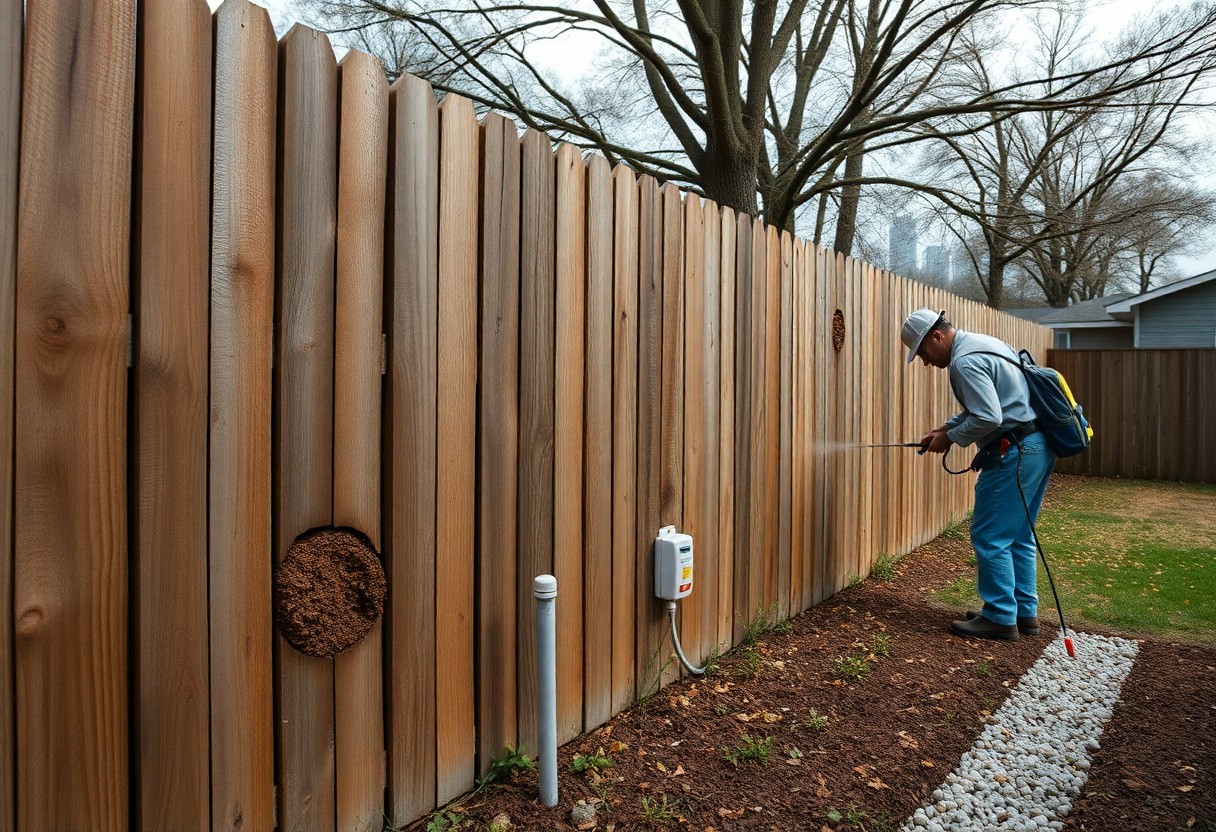
There’s a high termite risk for wood fences in Charlotte; you must inspect monthly, eliminate wood-soil contact, use pressure-treated wood, and apply targeted barrier treatments that stop infestations and prevent costly structural damage.
Key Takeaways:
- Inspect fences annually and after storms for mud tubes, hollow or soft wood, and other termite signs; install monitoring stations and call a pest pro if evidence appears.
- Prevent wood-soil contact by maintaining at least 6 inches of clearance, using gravel or concrete footings, and choosing pressure-treated or naturally resistant lumber for posts and panels.
- Reduce moisture and food sources by fixing gutters and leaks, trimming vegetation away from fences, limiting mulch depth near posts, and using paint, sealants, perimeter termiticides, or bait systems on high-risk properties.
Selecting Termite-Resistant Wood Species
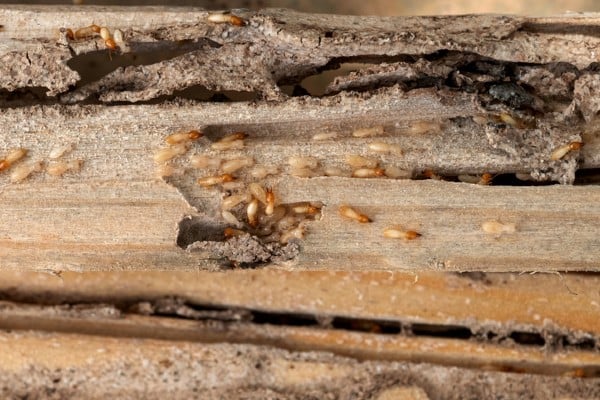
Choosing species like pressure-treated pine, cedar, or redwood helps you reduce termite risk because cedar and redwood naturally repel insects while treated lumber resists decay for longer fence life.
The Benefits of Pressure-Treated Lumber
Pressure-treated lumber contains preservatives that make wood much less attractive to termites; keep boards off soil and maintain proper drainage to maximize protection.
Natural Deterrents: Using Cedar and Redwood
Cedar and redwood release natural oils and resins that make them less appealing to termites, letting you use attractive, longer-lasting boards when moisture and contact are controlled.
You should still expect wear where boards touch soil or retain moisture, so avoid direct soil contact, improve drainage, and inspect for mud tubes. Pair cedar or redwood with proper detailing or occasional professional treatment when you detect activity.
Strategic Installation to Eliminate Ground Contact
Install your fence so no wood touches soil by using posts set on concrete or metal anchors; you’ll cut off ground contact and reduce termite access, extending fence life.
Utilizing Metal Post Anchors and Concrete Footings
Anchor your posts with galvanized metal anchors or poured footings to keep wood above soil; corrosion-resistant anchors and proper concrete depth stop moisture and termite trails.
Maintaining Proper Clearance Between Soil and Pickets
Keep a minimum 6-inch gap between soil and bottom of pickets so you avoid trapped moisture and reduce termite entry points.
Measure the clearance occasionally and slope soil away from the fence line; if you see mulch or soil touching pickets, pull it back, repair any rot, and install a gravel strip to create a dry barrier that deters termites and simplifies inspections.
Professional Chemical Barriers and Treatments
Professional chemical barriers create a continuous treated zone that keeps termites away from your fence posts, providing both immediate kill and residual protection. You must schedule inspections because termites can bypass gaps and treatments vary in longevity and label directions.
Applying Soil-Based Termiticides Along the Fence Line
Soil-applied termiticides require trenching and thorough application at the base of posts so you create a continuous treated barrier; you should follow label rates, wear PPE, and reapply when activity or erosion breaks the zone.
Re-sealing and Staining for Long-Term Protection
Staining and re-sealing every few years keeps moisture out of your fence and reduces the wood attractions that invite termites; choose a penetrating, oil-based sealer and focus on end grains and ground-contact areas for long-term protection.
When you prepare to re-seal, inspect for mud tubes and soft wood; do not seal over active infestations – treat those first. Replace rotten boards, clean with a low-pressure wash, and allow the fence to dry completely before any finish goes on. You should apply a borate preservative to exposed grain if labeled for exterior use, then top with a penetrating oil-based stain that soaks into fibers. Seal all cuts and end grains, pay special attention at post bases, and keep mulch and plants away to reduce moisture; expect to reapply every 2-4 years and inspect annually for new activity.
Landscaping Practices to Discourage Infestation
You should keep mulch, grading, and plantings away from fence lines to reduce termite access; maintain no wood-to-soil contact and allow airflow along the fence base.
Managing Drainage and Moisture Retention
Slope soil away from posts, clear gutters, and add drains so you avoid prolonged wetness; standing moisture attracts termites and accelerates wood decay.
The Dangers of Mulch and Dense Vegetation Encroachment
Avoid piling wood mulch up to boards or letting vines touch fences; mulch hides mud tubes and conceals termite activity, so keep gaps and thin layers.
Inspect regularly, maintain a 6-12 inch cleared zone between mulch/plantings and the fence, use gravel or rubber mulch near posts, prune dense shrubs for airflow, and watch for mud tubes, frass, or hollow-sounding boards; call a pro if you find signs.
Establishing a Proactive Inspection Routine
You should inspect wood fences at least monthly, focusing on posts, rails and ground contact points; look for mud tubes, frass, and soft spots that signal structural damage. Document findings and schedule treatments or a professional visit immediately when you spot active signs.
Recognizing Early Signs of Mud Tubes and Wood Damage
Check along the fence base and underside for pencil-width mud tubes, crumbling wood, or hollow sounds when tapped; these are early indicators of an active colony. If you detect fresh tubes or soft wood, treat promptly or contact a licensed inspector.
Seasonal Maintenance Checklists for Charlotte Homeowners
Schedule seasonal inspections-spring and fall plus after heavy rains-so you catch moisture buildup, soil-to-wood contact and fence rot. Prioritize clearing vegetation, improving drainage, and applying barriers; moisture control prevents infestations and costly repairs.
Plan a practical checklist you follow each season: in spring, inspect for winter damage, remove vegetation touching wood, and regrade soil to maintain at least 6 inches of clearance; in summer, check for moisture-trapping mulch and repair loose boards; in fall, apply preventive borate or barrier treatments and tighten hardware before wet weather. Address any signs of active colonies immediately and enlist professional treatment when tests confirm infestation to protect structure and avoid costly replacements.
Conclusion
Termites and wood fences in Charlotte, NC are a real risk, but the fixes that actually work are practical and repeatable. Start with how the fence is built: keep wood off the soil with proper post setting, maintain at least 6 inches of clearance under pickets, and choose pressure-treated lumber or naturally resistant wood where it makes sense. Then control what attracts termites in the first place, especially moisture. Pull mulch back from the fence line, keep plants and vines from touching boards, fix drainage and gutter runoff, and reseal stained wood so it does not stay damp at the base. Finally, inspect on a routine schedule and act early. Mud tubes, hollow-sounding boards, soft posts, or recurring moisture at the bottom edge are signals to treat before structural damage spreads.
If you are searching for termite prevention for wood fences in Charlotte, NC, how to stop termites on a wood privacy fence, pressure-treated wood fence termite resistance, or wood fence repair from termite damage, Elite Fence North Carolina can help. As a fence contractor in Charlotte, NC we build and install wood fences with termite-smart details and can advise on repairs or upgrades that protect your fence longer in Charlotte’s climate.