
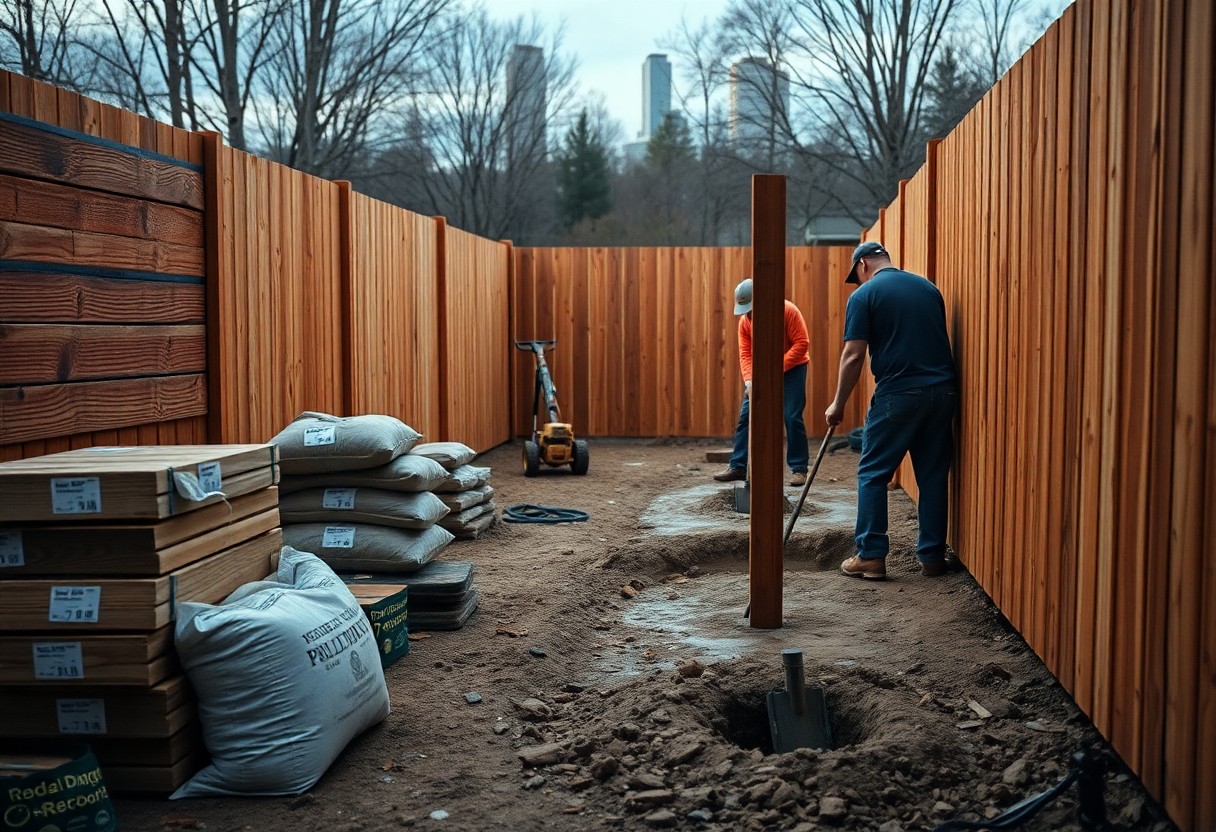
It’s smart for you to factor materials, labor, and site prep into your budget; expect higher costs for steep slopes or buried rock, while proper installation extends fence life and boosts resale value.
Key Takeaways:
- Material choice drives price: cedar and redwood cost more than pressure-treated pine, and fence height, style (privacy vs picket), post size, and hardware all increase material expenses.
- Labor and installation complexity affect total cost: local contractor rates, crew size, post spacing, gate installation, and property access determine labor time and charges.
- Site preparation and permits add to the budget: grading, tree or brush removal, rocky or sloped ground, utility locating, permit fees, and debris disposal can substantially raise costs.
Wood Species and Material Quality
Species selection affects cost, lifespan, and maintenance; you’ll pay less for pressure-treated pine but more for decay-resistant species. Compare material grade and warranty, since lower grades increase repair risk and long-term expense.
Pressure-Treated Pine vs. Western Red Cedar
Pressure-treated pine keeps initial costs down and resists rot, but you should factor in staining and potential chemical concerns; Western Red Cedar costs more upfront yet offers natural durability and lower long-term maintenance.
Post and Rail Grade Selection
Posts and rails vary by strength and appearance; you should choose structural-grade posts for load-bearing spans and select knot-free rails for visible runs to reduce warping and replacement costs.
Higher-grade posts (treated #1 or dimension lumber) give you better structural integrity, longer life, and fewer lean issues; using undersized or low-grade posts can cause early failure and add excavation or replacement costs. Ask contractors to specify post diameter, concrete footing depth, and preservative treatment to avoid costly rework.
Fence Style and Height Specifications
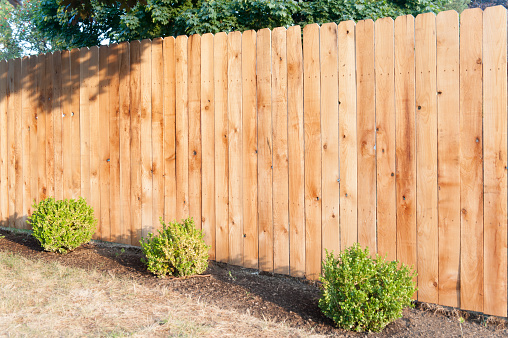
Fence styles and height change material needs and labor; you pay more for taller, heavier designs, and specific woods, while permits or HOA limits can alter choices.
Privacy, Picket, and Shadowbox Designs
Choices in style influence cost – you pay less for open picket, more for privacy panels, while shadowbox balances privacy and airflow with moderate labor.
Linear Footage and Vertical Height Adjustments
Length and height drive totals: you pay per linear foot plus extra for each additional foot of height, and taller sections increase post, material, and labor costs.
Expect per-foot pricing to cover rails, pickets, and posts; height jumps require deeper footings and thicker posts, often raising labor and materials by 15-40%. You should factor in gates, slope grading, and buried utilities that add safe-excavation costs, and verify Charlotte codes or HOA limits to avoid permit issues or fines.
Labor Rates in the Charlotte Metro Area
Charlotte labor rates vary by experience and company size; you should expect hourly fees commonly between $35 and $65, with permit-related work and specialized skills increasing total labor costs.
Professional Installation vs. DIY Savings
Compare professional installation, which gives you consistent quality and warranty protection, to DIY where you can save on labor but risk costly mistakes, delays, and lacking required permits if you’re inexperienced.
Local Market Demand and Seasonal Pricing
Demand spikes in spring and summer push prices up; you should book early to avoid seasonal surcharges and limited crew availability.
Planning around Charlotte’s busy season can shave costs: you’ll face higher bids when many homeowners schedule projects, plus weather-related delays during hurricane season that can extend timelines and increase labor charges. You should request multiple bids, ask about crew schedules, and consider off-season windows for lower rates or negotiate flexible start dates to reduce the chance of paying premium pricing.
Site Preparation and Terrain Challenges
Site prep affects cost through access, grading, and obstructions; you pay more when heavy excavation or rocky or steep ground requires extra equipment or permits.
Clearing Vegetation and Existing Fence Removal
Removing overgrown brush and old posts adds labor and disposal fees; you should expect charges for stump grinding or hazardous debris removal on tight or wooded lots.
Navigating Sloped Landscapes and Red Clay Soil
Sloped yards and Charlotte’s heavy red clay increase fence cost because you may need stepped rails, longer posts, or deeper footings to prevent shifting; erosion risk and harder digging raise labor and equipment needs.
Clay’s stickiness dulls blades and slows augering, so you should budget for specialized drilling, gravel backfill, and improved drainage to avoid future fence failure.
Charlotte-Mecklenburg Permits and HOA Regulations
County requirements affect fence height, setbacks, and whether you need a permit; you must budget for permit fees and possible plan reviews or fines if standards aren’t met.
Municipal Zoning and Building Permit Fees
Municipal offices assess permit costs by fence height and footage; you should plan for permit fees, inspection timelines, and potential engineering reviews that increase labor and design expenses.
Compliance with Neighborhood Aesthetic Standards
HOA guidelines often dictate fence materials, stain colors, and maximum heights; you must submit plans for approval to avoid denied installations or mandatory costly changes.
Check HOA covenants for allowed species, hardware finishes, and sample board approvals; if your plans require a variance expect approval delays, neighbor objections, and possible variance fees that add to overall cost.
Additional Customizations and Hardware
Options you choose-decorative post caps, lattice tops, or stainless-steel fasteners-affect price and durability; stainless hardware resists rust but increases material costs and extends fence life.
Gate Installation and Heavy-Duty Hardware
Gates you install, especially wide or automated ones, raise labor and material costs; heavy-duty hinges and locks prevent sagging, improve security, and may require reinforced posts or concrete footings.
Professional Staining and Sealing Treatments
Staining you hire pros for increases upfront cost yet delivers UV and moisture protection, prolonging the fence’s lifespan and reducing repainting or repair frequency.
Professionals will pressure-wash, sand, and apply stain plus sealant; proper prep ensures adhesion, you should plan recoats every 2-4 years, and premium finishes cost more upfront while cutting long-term maintenance.
Final Words
Wood fence installation cost in Charlotte, NC is mainly shaped by three buckets: what you build, how hard it is to build on your property, and what it takes to do it correctly. Materials set the baseline, since cedar and premium grades cost more than pressure-treated pine, and taller privacy styles, thicker posts, upgraded rails, and better hardware all add to the total. Labor changes with complexity, including gate installs, tight access, long runs, and the extra layout and cutting needed for sloped yards. Site prep can move the number quickly, especially with old fence removal, brush clearing, red clay digging, buried rock, drainage concerns, utility marking, and permit or HOA requirements. The best way to control cost is to match the fence style to your goals, avoid undersized posts, and plan for proper footings and finishing so you are not paying twice later.
If you are comparing wood fence installation cost in Charlotte, NC, wood privacy fence cost Charlotte NC, cedar vs pressure treated fence pricing, or fence installation estimates Charlotte, Elite Fence North Carolina can measure your yard, explain the cost drivers clearly, and build a fence that holds up and looks right long-term.